In the vast landscape of digital assets and financial management, gift cards have emerged as a unique asset class, allowing individuals to convert unused balances into immediately available funds. When individuals ask about the "current rate of 15 usd verizon gift card," they are essentially analyzing the market valuation for this specific item, which is typically lower than the card's face value. This valuation is determined by a complex interplay of asset demand, platform fees, and the stability of the product. Successful trading relies on understanding the mechanics of carrier gift cards, as they often command different rates than generic cards due to specific use cases and limitations.
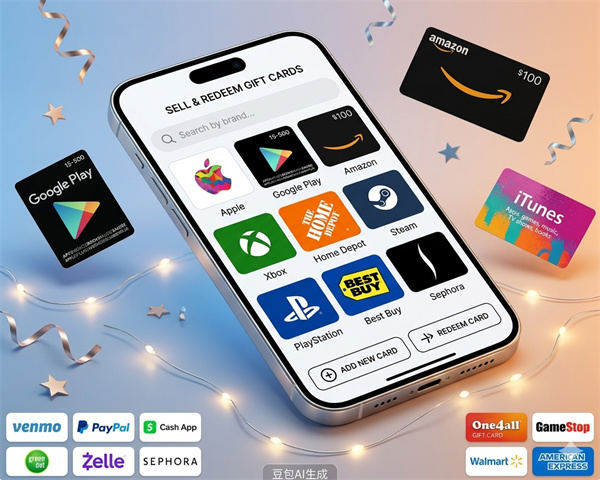
The primary factor influencing this rate is the stability of the service and the consumer base associated with it. Major telecommunications providers provide a broad market base, yet the unused balance must be liquid and easily transferable to be valuable. Buyers often seek these cards to immediately cover service bills, making them a liquid asset in the secondary market. Consequently, the rates offered in the market are a reflection of this demand, ensuring that both buyers and sellers can transact efficiently within the price range determined by the platform. Holders should be aware that there is a trade-off between the speed of sale and receiving a favorable valuation for these specific assets.
To effectively navigate this financial asset, individuals should utilize comparison tools to track the fluctuating rates offered by different platforms over time. Monitoring the "current rate of 15 usd verizon gift card" helps investors determine the optimal timing for cashing out or reselling their holdings. By adopting this analytical approach, users can ensure they receive the maximum recognized value for their assets without getting stuck with undervalued liquidity during peak market hours. This strategic management of funds is crucial for anyone looking to maximize the utility of small digital assets.